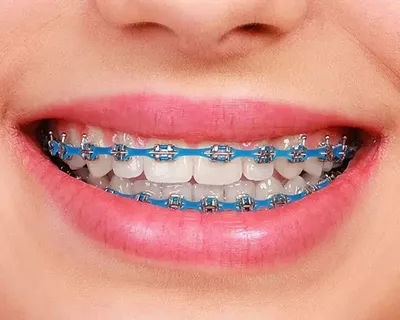
Understand how power chain braces work and apply the right practices to get faster, safer, and more predictable orthodontic results. Follow the guidance below to learn their purpose, benefits, types, care routines, and treatment expectations. This article uses clear, imperative instructions to help you make informed decisions and support successful outcomes.
Understand What Power Chain Braces Are and Why They Matter
Recognize power chain braces as elastic chains made of connected O-rings that orthodontists place over brackets to apply continuous force across multiple teeth. Use them to close gaps, correct rotations, and refine alignment when individual ligatures are not strong enough. Rely on their consistent tension to move teeth together as a unit rather than individually.
Acknowledge that orthodontists typically introduce power chains during the mid to final stages of treatment. Expect them to replace standard elastics when space closure or stronger control becomes necessary. Trust their design to deliver steady pressure that helps teeth shift efficiently into their planned positions.
Use Power Chain Braces to Achieve Faster Gap Closure
Apply power chain braces when the primary goal is to close spaces between teeth, especially after extractions or when natural gaps remain. Allow the continuous elastic force to pull teeth closer together over time. Follow your orthodontist’s schedule closely, because missed adjustments reduce effectiveness and delay results.
Prepare for mild soreness when the chains are first placed or tightened. Accept this discomfort as a sign that the braces are working. Manage tenderness by eating soft foods, staying hydrated, and using orthodontist-approved pain relief if necessary. Do not remove or tamper with the chains, as this can reverse progress.
Choose the Correct Type of Power Chain for Your Needs
Identify the three main types of power chain braces and understand when each is used:
Closed Power Chain
Use this type when maximum force is required. Choose it to close large gaps quickly, as the rings sit tightly together with no spacing.
Short Power Chain
Select this option when moderate force is needed. Expect small gaps between rings that provide controlled movement without excessive pressure.
Long Power Chain
Rely on this gentler version when minimal force is sufficient. Allow it to guide teeth slowly when only minor adjustments are required.
Let your orthodontist determine the appropriate type based on tooth position, bone response, and treatment goals. Avoid requesting changes without professional guidance.
Maintain Excellent Oral Hygiene with Power Chain Braces
Clean your teeth thoroughly every day to prevent plaque buildup around power chain braces. Brush after every meal using a soft-bristled toothbrush and fluoride toothpaste. Angle the brush to reach under the chain and around each bracket.
Floss daily using floss threaders or a water flosser to remove trapped food particles. Pay special attention to areas where the chain contacts the gumline. Rinse with an antibacterial mouthwash to reduce bacteria and support gum health.
Schedule regular dental cleanings and orthodontic checkups. Inform your provider if you notice swelling, bleeding gums, or persistent bad breath, as these may indicate hygiene issues that need correction.
Follow Smart Eating Habits to Protect Power Chain Braces
Adjust your diet to avoid damaging power chain braces. Eliminate hard, sticky, and chewy foods that can stretch, snap, or dislodge the chains. Avoid items such as hard candy, chewing gum, caramel, popcorn kernels, ice, and tough meats.
Choose softer alternatives like yogurt, rice, pasta, eggs, cooked vegetables, and smoothies. Cut fruits and sandwiches into small pieces before eating. Chew slowly and use your back teeth whenever possible to reduce stress on the chains.
Drink plenty of water and limit sugary beverages. Sugar feeds bacteria that can cause cavities around brackets and under power chains.
Monitor Discomfort and Address Common Side Effects Promptly
Expect temporary tightness when power chains are activated. Manage soreness by applying orthodontic wax to areas that rub against cheeks or lips. Use cold compresses externally if swelling occurs.
Watch for signs of excessive pressure, such as sharp pain, numbness, or gum irritation that does not improve within a few days. Contact your orthodontist immediately if a chain breaks or becomes loose. Do not wait until your next appointment, as delayed repairs can cause teeth to shift backward.
Avoid comparing your progress to others. Understand that tooth movement depends on age, bone density, and individual response to force.
Follow the Recommended Treatment Timeline
Commit to the treatment plan your orthodontist provides. Understand that power chain braces may remain in place for several weeks or months, depending on how quickly your teeth respond. Attend every scheduled adjustment so the chains can be replaced and reactivated as they lose elasticity over time.
Track progress through regular photos or orthodontic evaluations. Ask questions during visits to understand what stage of treatment you are in and what to expect next. Stay patient and consistent, as rushed adjustments can harm roots or gums.
Use Power Chain Braces Safely for Long-Term Results
Trust professional expertise and follow instructions precisely. Do not attempt to adjust or replace power chains yourself. Avoid using online hacks or non-orthodontic elastics, as improper force can cause permanent damage.
Commit to wearing retainers after treatment ends. Understand that even after power chains close gaps, teeth can relapse without proper retention. Protect your investment by following post-treatment care guidelines.
Conclusion: Apply Discipline and Care to Maximize Results
Use power chain braces correctly to achieve efficient space closure and refined alignment. Maintain strict oral hygiene, follow dietary rules, and attend all orthodontic appointments. Manage discomfort responsibly and report issues promptly. By staying disciplined and informed, you support safe tooth movement and help ensure a strong, lasting smile.