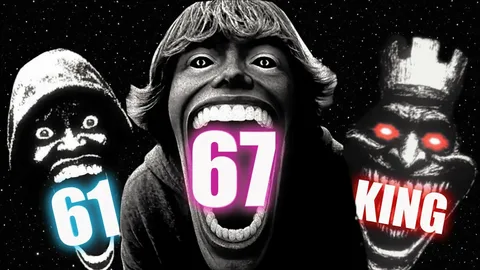
The internet moves fast, but some trends explode faster than others. One of the most talked-about viral sensations today is 67 memes. If you scroll through TikTok, Instagram, YouTube Shorts, or comment sections, you will likely see “67” appearing everywhere. Understand this trend, analyze its roots, and explore why it has captured the attention of millions.
Follow this comprehensive guide and dive deep into the world of 67 memes to see how a simple number became a powerful digital symbol.
Understand What 67 Memes Really Are
Start by recognizing that 67 memes are not traditional jokes. Do not look for a punchline or logical explanation. Instead, observe how people use the number “67” as a random, humorous response in videos, captions, and comment threads.
Notice how the number appears in unrelated situations. Watch users shout “67” during sports clips, gaming streams, or reaction videos. Pay attention to how others type it repeatedly in comment sections without context. Accept that the humor often lies in the absurdity.
Study how internet culture evolves. Realize that many viral trends do not rely on meaning. Instead, they rely on repetition, community participation, and shared inside jokes. Treat 67 memes as a digital signal that shows someone is “in on the trend.”
Recognize that this randomness is intentional. Embrace the idea that confusion can fuel popularity. The less it makes sense, the more people talk about it.
Trace the Origins of 67 Memes
Investigate where the trend began. Explore how short-form video platforms played a major role in spreading 67 memes. Examine viral audio clips and basketball highlight edits that repeatedly used the phrase “6-7.”
Analyze how creators combined catchy sounds with sports footage and exaggerated reactions. Observe how repetition turned a simple number into a recognizable online pattern.
Study how younger internet users, especially Gen Alpha and Gen Z, accelerated the trend. Watch how they used the phrase in classrooms, gaming chats, and social media comments. Understand how viral momentum builds when millions participate in the same joke simultaneously.
Connect the dots between music clips, sports culture, and meme pages. Recognize that viral trends often emerge from unexpected combinations. Accept that internet humor thrives on remix culture, where users constantly adapt and repost content in new formats.
Analyze Why 67 Memes Went Viral
Examine the psychology behind viral trends. Notice how short, simple content spreads faster than complex jokes. Understand that 67 memes require no explanation, making them easy to repeat.
Observe how algorithms reward repetition. When users comment “67” under popular posts, they increase engagement. Increased engagement boosts visibility. Higher visibility attracts more users. This cycle fuels rapid growth.
Study the power of curiosity. When people see a number trending everywhere, they want to understand it. That curiosity drives searches, shares, and discussions. Recognize that mystery can be a powerful marketing tool—even when it happens organically.
Evaluate how peer influence plays a role. When friends use the phrase, others follow. When influencers adopt the trend, followers imitate it. Understand that social proof drives participation.
Acknowledge that digital communities love exclusivity. When someone uses 67 memes correctly, they signal membership in an online subculture. This sense of belonging strengthens the trend.
Explore the Cultural Impact of 67 Memes
Observe how 67 memes extend beyond social media feeds. Notice reports of students repeating the phrase in schools. Examine how teachers respond to unexpected meme behavior in classrooms. Recognize how internet humor can move into real-world environments.
Study how mainstream media references viral trends. When television shows, online publications, or news outlets mention 67 memes, they validate the phenomenon. Media coverage amplifies awareness and introduces the trend to wider audiences.
Analyze how brands monitor meme culture. Consider how companies may incorporate trending phrases into marketing campaigns. Understand that modern advertising often relies on cultural relevance.
Reflect on how digital language evolves. Recognize that numbers, symbols, and phrases can gain symbolic meaning without formal definitions. Accept that online communities constantly reshape communication.
Understand that 67 memes represent more than a joke. They illustrate how rapidly internet culture transforms everyday symbols into global trends.
Use 67 Memes Strategically in Content Creation
Leverage the popularity of 67 memes thoughtfully. Add the phrase in comment sections to boost engagement. Integrate it naturally into short-form videos if your audience understands the reference. Avoid forcing the trend into unrelated contexts where it feels unnatural.
Monitor your audience reaction. Measure engagement rates before and after using trending phrases. Adjust your strategy based on performance data. Focus on authenticity rather than imitation.
Create content that builds on the absurdity. Combine exaggerated reactions, dramatic edits, or unexpected scenarios. Encourage participation by inviting viewers to comment “67” under specific prompts.
Avoid overuse. Recognize that trends fade quickly. Stay updated with emerging meme patterns. Balance viral elements with original creativity to maintain long-term relevance.
Respect your platform’s tone. Use 67 memes where humor fits naturally. Avoid using the phrase in professional or sensitive contexts.
Compare 67 Memes to Other Viral Internet Trends
Study how 67 memes differ from classic meme formats like image macros or reaction GIFs. Notice how older memes relied on clear setups and punchlines. Recognize that newer trends often prioritize randomness and chaos.
Analyze the concept of “brainrot” humor, where repetition and nonsense dominate timelines. Compare 67 memes to similar trends that revolve around meaningless phrases or exaggerated sounds.
Evaluate how meme lifecycles evolve. Observe the stages: discovery, rapid spread, peak saturation, backlash, and decline. Place 67 memes within this lifecycle to predict their future trajectory.
Understand that every generation develops its own humor style. Accept that what seems confusing today may feel nostalgic tomorrow.
Anticipate the Future of 67 Memes
Monitor engagement levels across platforms. Watch whether creators continue using the phrase or shift toward new trends. Prepare for the possibility that 67 memes may either fade quickly or transform into a long-term cultural reference.
Study how meme culture archives itself. Explore how websites document viral phenomena. Recognize that internet history preserves trends long after they disappear from daily feeds.
Adapt to changes. Stay flexible in your content strategy. Embrace innovation rather than clinging to fading trends.
Understand that the significance of 67 memes lies not in their meaning but in their momentum. Recognize that viral culture rewards speed, creativity, and participation.
Conclusion: Embrace the Power of Digital Trends
Examine the rise of 67 memes as a case study in modern internet behavior. Observe how randomness, repetition, and community participation transform a simple number into a viral sensation. Learn from this phenomenon and apply its lessons to digital communication and marketing strategies.