Master the Dumbbell Floor Press: The Ultimate Guide to Strengthen Your Chest and Triceps

Perform the dumbbell floor press to enhance upper body strength, improve pressing mechanics, and protect your shoulders. Follow these instructions to maximize your gains and avoid injury. Use proper form, control the movement, and progressively increase resistance to achieve optimal results.
Understand the Dumbbell Floor Press
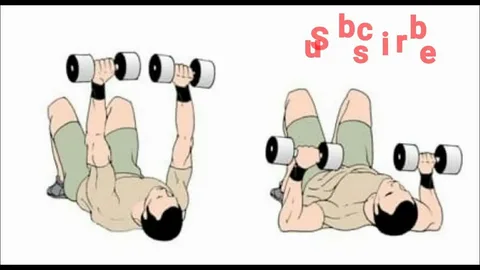
Learn what the dumbbell floor press is and why it benefits your training. Position yourself on the floor with dumbbells in each hand, elbows bent at approximately 45 degrees. Lower the dumbbells until your elbows touch the floor, then press upward. Focus on controlled motion to target the chest, triceps, and shoulders.
Use this exercise to limit shoulder strain compared to the traditional bench press. Commit to proper form by keeping your back flat, feet planted, and core engaged. Apply consistent practice to build strength in the mid- and top-range of your pressing motion.
Set Up Properly for the Dumbbell Floor Press
Prepare your space and equipment before performing the dumbbell floor press. Select dumbbells of manageable weight. Sit on the floor, place dumbbells on your thighs, and roll backward until your upper back contacts the floor.
Position your feet flat on the ground and bend your knees slightly. Hold dumbbells above your chest with a neutral grip or slight pronation. Keep elbows tucked at approximately 45 degrees from your torso. Stabilize your shoulder blades and brace your core. Maintain this setup to execute a safe and effective press.
Execute the Dumbbell Floor Press Correctly
Lower the dumbbells slowly until your upper arms touch the floor without bouncing. Pause for a brief moment at the bottom. Press the dumbbells upward until your arms are nearly extended. Do not lock your elbows completely; maintain tension in the muscles.
Control every repetition. Avoid using momentum to lift the weight. Focus on engaging the pectoralis major, triceps, and anterior deltoids throughout the movement. Repeat for the desired number of repetitions. Progress gradually by increasing weight while preserving proper form.
Emphasize Benefits of the Dumbbell Floor Press
Perform the dumbbell floor press to achieve several benefits. Strengthen your upper body, including chest, triceps, and shoulders. Improve lockout strength, which enhances performance in bench presses and other pushing exercises. Reduce shoulder strain by limiting range of motion and maintaining safe elbow angles.
Incorporate dumbbells to correct strength imbalances between arms. Utilize minimal equipment, making the dumbbell floor press ideal for home workouts or small gym setups. Enhance stability by engaging your core and scapular muscles during every press.
Avoid Common Mistakes
Follow proper instructions to prevent errors during the dumbbell floor press. Do not flare elbows wide; this stresses the shoulder joint. Avoid bouncing dumbbells off the floor, as it reduces muscle tension. Do not lock elbows completely at the top; maintain muscle engagement.
Do not lift weights that are too heavy, as this can compromise form and increase injury risk. Prioritize control over load to achieve maximum strength and hypertrophy gains. Correct form ensures long-term progress and minimizes wear on joints.
Incorporate Variations for Maximum Gains
Experiment with variations of the dumbbell floor press to target different muscle groups and prevent plateaus. Perform a one-arm floor press to improve unilateral strength and stability. Use paused floor presses to increase time under tension. Try elevated feet floor presses to challenge your core further.
Vary set and rep ranges depending on goals: 3–5 sets of 3–6 reps for strength, and 3–4 sets of 8–12 reps for hypertrophy. Maintain control and proper technique throughout each variation to prevent injuries and optimize results.
Program the Dumbbell Floor Press in Your Routine
Include the dumbbell floor press strategically in your training program. Train 1–2 times per week for optimal recovery. Pair it with accessory exercises such as rows, overhead presses, and tricep extensions to build balanced strength.
Monitor your progression by gradually increasing weight or repetitions. Track performance metrics to identify improvements in pressing strength. Prioritize recovery and proper nutrition to support muscular growth and joint health.
Summary
Perform the dumbbell floor press consistently to build a stronger, safer, and more balanced upper body. Focus on proper setup, controlled execution, and progressive overload. Avoid common mistakes and incorporate variations to stimulate growth. Program this exercise strategically in your routine to maximize chest, triceps, and shoulder strength while minimizing risk of injury. Commit to the technique, maintain intensity, and reap the full benefits of the dumbbell floor press.