Header Bidding: The Complete Guide to Advanced Programmatic Advertising Technology

What is Header Bidding? Understanding the Revolutionary Ad Tech
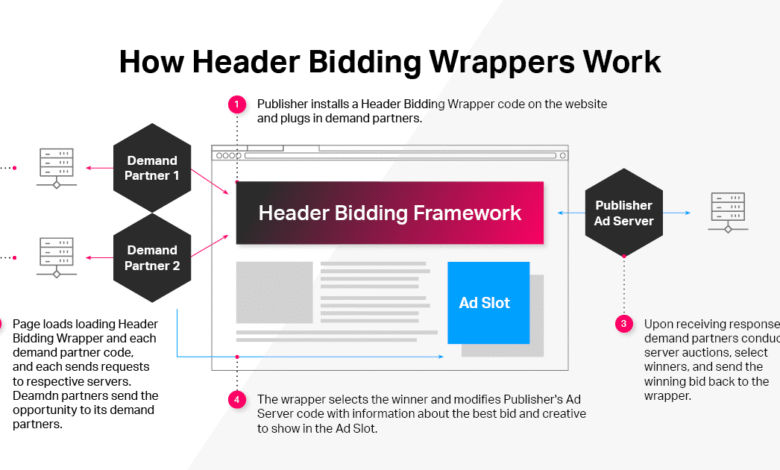
Header bidding represents one of the most significant innovations in programmatic advertising technology, fundamentally transforming how publishers monetize their digital inventory. This advanced programmatic technique, also known as pre-bidding or advance bidding, enables publishers to offer their ad inventory to multiple demand sources simultaneously before making calls to their ad servers.
Unlike traditional waterfall methods where ad networks bid sequentially, header bidding creates a competitive marketplace where all demand partners bid at the same time. This parallel auction mechanism occurs in the header of a webpage through JavaScript code, hence the name “header bidding.” The technology empowers publishers to maximize their revenue potential while providing advertisers with better access to premium inventory.
The implementation of header bidding technology has revolutionized the digital advertising ecosystem by introducing unprecedented transparency and efficiency. Publishers can now see real-time bid values from multiple demand sources, enabling them to make informed decisions about their inventory pricing and allocation strategies.
How Header Bidding Works: The Technical Process Explained
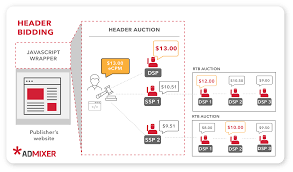
The header bidding process begins when a user visits a website equipped with header bidding technology. A JavaScript wrapper in the page header initiates simultaneous bid requests to multiple demand partners, including ad exchanges, supply-side platforms (SSPs), and demand-side platforms (DSPs). This parallel processing typically occurs within a predetermined timeout period, usually between 700 to 1500 milliseconds.
During this auction process, each demand partner evaluates the available impression based on various factors including user data, contextual information, and campaign parameters. They then submit their highest bid for the impression. The header bidding wrapper collects all bids and passes them to the publisher’s ad server, where they compete with direct-sold campaigns and other demand sources.
The ad server evaluates all available demand, including header bidding bids and direct campaigns, to determine the winning creative. This decision process considers not only the bid price but also factors like campaign priority, frequency capping, and targeting parameters. The winning advertiser’s creative is then served to the user, completing the transaction in mere milliseconds.
Client-Side vs. Server-Side Header Bidding: Choosing the Right Approach
Client-Side Header Bidding
Client-side header bidding, the original implementation method, executes auctions directly in the user’s browser. This approach offers complete transparency and control to publishers, as all bid requests and responses flow through the browser. Publishers can easily add or remove demand partners through simple JavaScript modifications, maintaining full visibility into the auction dynamics.
However, client-side implementation comes with notable limitations. Browser constraints typically limit the number of simultaneous bidder connections to 6-8 partners, potentially restricting revenue opportunities. Additionally, the multiple bid requests can increase page latency, potentially impacting user experience and Core Web Vitals scores.
Server-Side Header Bidding
Server-side header bidding, also called server-to-server (S2S) integration, moves the auction process from the browser to an external server. This architecture enables publishers to connect with unlimited demand partners without browser limitations, as all bid requests are consolidated through a single server call.
The server-side approach significantly reduces page latency and improves user experience by minimizing browser workload. Publishers can access global demand sources and specialized SSPs that might otherwise be impractical to integrate client-side. However, this method requires trusting a technology partner with auction execution and may reduce transparency compared to client-side implementations.
Key Benefits of Header Bidding for Publishers and Advertisers
Revenue Maximization for Publishers
Header bidding dramatically increases publisher revenue potential by creating genuine competition for every impression. Publishers typically see revenue increases of 20-50% after implementing header bidding, with some reporting even higher gains. The technology eliminates the inefficiencies of waterfall setups where premium inventory might be sold to lower-priority partners at suboptimal prices.
The competitive dynamics of header bidding ensure publishers receive fair market value for their inventory. By exposing impressions to multiple demand sources simultaneously, publishers can identify and capture the true value of their audience segments. This democratized auction environment particularly benefits mid-tier publishers who previously struggled to attract premium demand.
Enhanced Transparency and Control
Header bidding provides unprecedented visibility into programmatic transactions. Publishers can monitor bid patterns, identify top-performing demand partners, and optimize their monetization strategies based on concrete data. This transparency extends to bid-level reporting, enabling publishers to understand exactly what advertisers are willing to pay for specific inventory segments.
Improved Advertiser Access
For advertisers, header bidding democratizes access to premium inventory previously reserved for direct deals. Advertisers can now compete fairly for high-quality impressions based on their true value assessment, rather than their position in a waterfall hierarchy. This equal opportunity environment helps advertisers reach their target audiences more effectively while maintaining competitive CPMs.
Common Challenges and Solutions in Header Bidding Implementation
Latency and Page Performance
The primary challenge in header bidding implementation remains latency management. Multiple simultaneous bid requests can slow page loading, potentially impacting user experience and search engine rankings. Publishers must carefully balance revenue optimization with performance considerations.
Solutions include implementing appropriate timeout settings, typically between 1000-1500 milliseconds, and utilizing lazy loading for below-the-fold inventory. Advanced implementations employ dynamic timeout algorithms that adjust based on user connection speeds and historical bidder response times.
Technical Complexity
Header bidding requires significant technical expertise for proper implementation and optimization. Publishers must manage wrapper configurations, adapter integrations, and ongoing performance monitoring. Many publishers struggle with the technical demands of maintaining header bidding infrastructure.
Partnering with experienced header bidding solution providers or managed service platforms can address these complexity challenges. These partners offer pre-built integrations, ongoing optimization, and technical support to ensure successful implementations.
Future Trends and Evolution of Header Bidding Technology
The header bidding landscape continues evolving with emerging technologies and industry initiatives. Privacy-focused solutions like unified ID frameworks are being integrated into header bidding infrastructure to maintain targeting capabilities in a cookieless future. Publishers are exploring first-party data strategies to enhance the value of their header bidding inventory.
Artificial intelligence and machine learning are increasingly being applied to header bidding optimization. These technologies enable dynamic floor pricing, intelligent timeout management, and predictive bid landscaping. Publishers can leverage AI-powered tools to automatically optimize their header bidding configurations based on historical performance data.
The growth of connected TV (CTV) and mobile app environments is driving header bidding adoption beyond traditional web displays. These emerging channels require specialized header bidding solutions that account for unique technical requirements and user experiences.
Best Practices for Successful Header Bidding Implementation
Successful header bidding implementation requires careful planning and ongoing optimization. Publishers should start with a thorough audit of their current monetization setup and clearly defined revenue goals. Selecting the right mix of demand partners is crucial – quality matters more than quantity in header bidding partnerships.
Regular performance monitoring and optimization are essential for maintaining header bidding success. Publishers should analyze bid-level data to identify optimization opportunities, remove underperforming partners, and adjust timeout settings based on actual response times. A/B testing different configurations helps identify the optimal setup for specific inventory segments.
Conclusion: Maximizing the Potential of Header Bidding
Header bidding has fundamentally transformed programmatic advertising, creating a more efficient and transparent marketplace for publishers and advertisers alike. While implementation challenges exist, the significant revenue benefits and improved control make header bidding essential for modern publisher monetization strategies. As the technology continues evolving with new innovations and capabilities, publishers who embrace header bidding position themselves for long-term success in the digital advertising ecosystem.
The future of header bidding looks promising, with continued technological advances addressing current limitations while opening new monetization opportunities. Publishers who invest in understanding and optimizing their header bidding implementations will be best positioned to capitalize on these developments and maximize their advertising revenue potential.