Nahttypen: A Complete Guide to Seam Types, Uses, and Professional Sewing Techniques

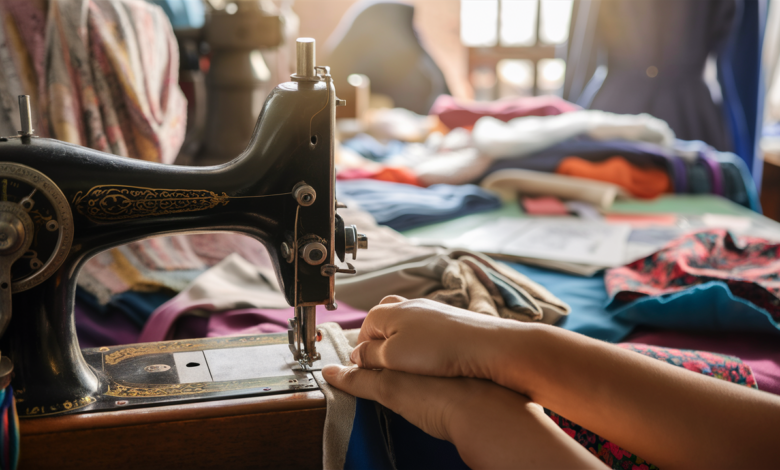
In the world of sewing, tailoring, and garment manufacturing, Nahttypen—the German term for types of seams—play a decisive role in determining the durability, comfort, appearance, and functionality of textiles. We understand that seams are not merely technical connections between fabric pieces; they define how a garment fits, stretches, and performs over time. Whether in fashion design, industrial textile production, upholstery, or home sewing, selecting the correct seam type is essential for achieving professional-quality results.
This comprehensive guide explores Nahttypen in depth, explaining their structure, application, advantages, and ideal use cases. We present a detailed and authoritative resource designed to help designers, tailors, students, and textile professionals make informed decisions. Every section is written in a structured, precise, and practical manner, ensuring clarity while maintaining technical accuracy.
Understanding Nahttypen and Their Importance in Sewing
Nahttypen define how fabrics are joined, reinforced, and finished. Each seam type serves a distinct function depending on fabric weight, elasticity, garment purpose, and expected wear conditions. We emphasize that improper seam selection often leads to premature garment failure, discomfort, or visual inconsistency.
Professional sewing relies on understanding how seams behave under tension, movement, and washing. By mastering seam types, we achieve not only structural stability but also visual harmony and long-lasting performance in textile products.
Plain Seam (Einfachnaht): The Foundation of Garment Construction
The plain seam is the most commonly used seam in sewing. It involves placing two fabric pieces right sides together and stitching along the seam allowance. Despite its simplicity, this seam is extremely versatile and can be finished in various ways to suit different fabrics.
We use plain seams extensively in everyday clothing such as shirts, dresses, and trousers. When properly pressed and reinforced, this seam provides adequate strength for lightweight to medium-weight fabrics. Its adaptability makes it the backbone of both beginner and professional sewing projects.
French Seam (Französische Naht): Precision and Elegance
The French seam is designed to encase raw edges completely, resulting in a clean and elegant finish. It is particularly suitable for delicate materials like chiffon, silk, and organza, where exposed seam allowances would compromise the garment’s appearance.
We value this seam for its refined interior finish, which enhances garment longevity and wearer comfort. Although it requires additional steps and precision, the French seam elevates the overall quality of high-end apparel and couture garments.
Flat-Felled Seam (Kappnaht): Strength and Durability
The flat-felled seam is recognized for its exceptional strength and neat appearance on both sides of the fabric. This seam involves folding and stitching seam allowances flat against the garment, creating a durable and abrasion-resistant finish.
We commonly apply this seam in jeans, jackets, uniforms, and sportswear. Its resistance to stress and repeated washing makes it ideal for garments subjected to heavy use. In industrial manufacturing, this seam is a standard for durability-focused designs.
Lapped Seam (Überlappte Naht): Specialized Applications
The lapped seam differs from traditional seams by overlapping fabric layers rather than aligning edges. This construction method is especially effective for non-woven materials, leather, vinyl, and technical textiles.
We rely on lapped seams in applications where thickness, rigidity, or water resistance is required. This seam type is often reinforced with adhesives or topstitching, making it suitable for outerwear, bags, and upholstery projects.
Bound Seam (Eingefasste Naht): Protection and Decoration
The bound seam features seam allowances wrapped in binding tape, offering both protection against fraying and an opportunity for decorative enhancement. This seam is frequently used in unlined garments, jackets, and tailored pieces where interior aesthetics matter.
We consider bound seams an excellent choice when durability and visual appeal must coexist. By selecting contrasting or matching binding materials, designers can transform functional seams into design highlights.
Overlocked Seam (Overlock-Naht): Efficiency in Modern Sewing
The overlocked seam is created using a specialized overlock or serger machine. It trims fabric edges while stitching, preventing fraying and allowing for flexible seams.
We extensively use this seam in knit garments, activewear, and mass-produced clothing. Its speed and efficiency make it indispensable in modern textile manufacturing, while its elasticity supports comfort and freedom of movement.
Decorative Seam (Ziernaht): Function Meets Design
A decorative seam enhances the visual appeal of a garment while maintaining structural integrity. Often executed with contrasting thread or specialized stitch patterns, this seam adds personality and craftsmanship to textile designs.
We integrate decorative seams into fashion-forward pieces, upholstery, and accessories. When thoughtfully applied, they elevate garments from functional to expressive, reflecting attention to detail and design intent.
Choosing the Right Nahttypen for Different Fabrics
Selecting the appropriate Nahttypen depends on fabric characteristics such as weight, elasticity, transparency, and durability requirements. Lightweight fabrics benefit from enclosed seams, while heavy textiles require reinforced constructions.
We emphasize testing seam samples before final assembly. This ensures compatibility between fabric and seam type, reducing errors and improving overall garment quality.
Conclusion
Understanding Nahttypen is essential for anyone involved in sewing, tailoring, or textile production. Each seam type serves a specific purpose, balancing strength, flexibility, aesthetics, and comfort. By mastering these seam constructions, we achieve professional results that stand the test of time.
From simple plain seams to sophisticated French and flat-felled seams, informed seam selection enhances both the functionality and appearance of textile products. A well-chosen seam is the silent foundation of every successful garment.
Frequently Asked Questions (FAQ)
What does Nahttypen mean in sewing?
Nahttypen refers to different types of seams used to join and finish fabric pieces in sewing and textile production.
Which seam type is best for delicate fabrics?
The French seam is ideal for delicate and sheer fabrics due to its enclosed and clean finish.
What is the strongest seam type?
The flat-felled seam is among the strongest seam types and is widely used in heavy-duty garments.
Are overlocked seams suitable for all fabrics?
Overlocked seams work best for knits and medium-weight fabrics but may not be suitable for very delicate textiles.
Why is seam selection important in garment construction?
Proper seam selection ensures durability, comfort, visual quality, and long-term performance of garments.