Nukleotidy: Complete Guide to Structure, Function, Types, and Biological Importance

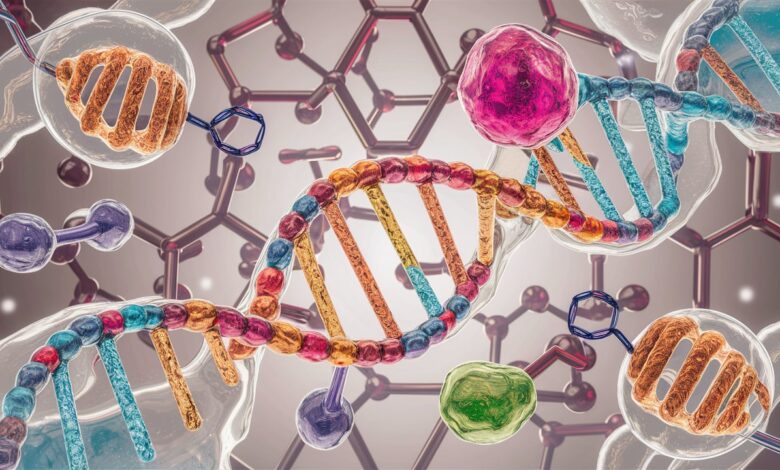
Nukleotidy, often known as nucleotides, are the fundamental building blocks of DNA and RNA, carrying the genetic instructions essential for all living organisms. They are responsible for storing information, transmitting genetic data, regulating cellular functions, powering biochemical reactions, and enabling life to exist at the molecular level. Understanding nukleotidy is crucial for students, researchers, biologists, and anyone interested in molecular science because these molecules participate in every essential biological process including heredity, protein synthesis, cellular signaling, and metabolic activity. This comprehensive guide explores the structure, types, components, functions, and significance of nukleotidy in long, detailed paragraphs designed to provide deep insight into the world of molecular biology.
What Are Nukleotidy?
Nukleotidy are organic molecules made of three main components: a nitrogenous base, a five-carbon sugar, and one or more phosphate groups. These molecules connect to form long chains that build DNA and RNA. They act as informational units, allowing cells to store genetic data, transmit hereditary traits, and regulate metabolic processes. Without nukleotidy, living organisms would lack the ability to reproduce, evolve, or perform essential biochemical reactions that sustain life. Their role extends far beyond genetics—they also fuel cellular activity through molecules like ATP, which is itself a nucleotide.
Structure of Nukleotidy: The Building Blocks of Life
The structure of nukleotidy is elegant and efficient, consisting of three critical parts that work together harmoniously. The nitrogenous base, either a purine or pyrimidine, determines the identity of the nucleotide and the type of genetic code it forms. Purines include adenine and guanine, while pyrimidines include cytosine, thymine, and uracil. These bases are responsible for forming hydrogen bonds that create the rungs of the DNA ladder or the base pairing in RNA. The pentose sugar, either ribose or deoxyribose, defines whether the nucleotide belongs to RNA or DNA. Meanwhile, the phosphate group links nucleotides together through phosphodiester bonds, creating stable chains that form the backbone of genetic material. This highly organized structure ensures DNA’s durability and RNA’s functionality in protein synthesis.
Types of Nukleotidy and Their Functions
There are several types of nukleotidy, each serving distinct functions in biological systems. DNA nucleotides contain the bases adenine, guanine, cytosine, and thymine, while RNA nucleotides include adenine, guanine, cytosine, and uracil. Beyond these, special nucleotides such as ATP, GTP, CTP, and UTP act as energy carriers and cofactors in metabolic reactions. Nucleotides are also involved in signaling pathways through molecules like cAMP, which regulates cellular responses to hormones. This diversity makes nukleotidy indispensable for both genetic processes and daily cellular activities.
Nukleotidy in DNA: Basis of Genetic Information
Nukleotidy form the structure of DNA by linking together to create long chains that twist into the iconic double helix. Each nucleotide pairs with a complementary base—adenine with thymine and cytosine with guanine—allowing DNA to replicate accurately. These base pairs form sequences that encode every gene and trait within an organism. The replication process, powered by enzymes, ensures that genetic information is passed from cell to cell and generation to generation. Without nucleotides, the continuity of life would be impossible, as no system could store or duplicate genetic material.
Nukleotidy in RNA: Enabling Protein Synthesis
In RNA, nukleotidy play equally vital roles but serve more dynamic functions. RNA molecules convert genetic instructions into proteins through transcription and translation. Messenger RNA (mRNA) carries coded information from DNA, transfer RNA (tRNA) delivers amino acids to ribosomes, and ribosomal RNA (rRNA) forms the structural framework of ribosomes. Each of these molecules relies entirely on the chemical behavior of nucleotides to ensure protein synthesis occurs accurately. RNA nucleotides are also more reactive than DNA nucleotides, allowing them to participate in biochemical processes that DNA cannot perform.
Energy Production and Metabolism: ATP as the Key Nucleotide
One of the most critical nucleotides is ATP (adenosine triphosphate), the universal fuel of living cells. ATP stores chemical energy in its high-energy phosphate bonds, releasing energy when these bonds break during metabolic reactions. This energy powers muscle movement, nerve impulses, active transport across membranes, and the synthesis of essential biomolecules. GTP, CTP, and UTP perform similar roles in specific pathways, proving that nukleotidy extend their influence far beyond genetic information storage.
Cellular Signaling and Regulation Through Nukleotidy
Nukleotidy also act as molecular messengers within cells. Cyclic nucleotides like cAMP (cyclic adenosine monophosphate) serve as second messengers in hormone signaling pathways, helping cells respond to external stimuli. These molecules regulate metabolism, gene expression, and cellular growth. Their ability to relay messages quickly makes them indispensable in maintaining cellular homeostasis and coordinating responses across an organism.
Why Nukleotidy Are Essential for Life
Nukleotidy are essential because they support every component of biological activity—from encoding hereditary information to enabling chemical reactions needed for survival. They serve as both the blueprint and the energy system of life, forming the foundation for evolution, reproduction, and adaptation. Without them, organisms could not store genetic information, produce proteins, generate energy, or maintain internal stability. Every living cell depends on the flawless functioning of nucleotides to exist and thrive.
Conclusion
Nukleotidy are more than chemical compounds—they are the core of biological existence. They provide the structural foundation of DNA and RNA, supply the energy that fuels life, regulate cellular communication, and participate in countless biochemical processes. Understanding these molecules allows us to appreciate the complexity and precision of life at the molecular level. As science evolves, nucleotides continue to play a central role in research, medicine, genetics, and biotechnology, proving that these tiny molecules hold the secrets of life itself.
FAQs About Nukleotidy
1. What are nukleotidy?
Nukleotidy are the basic building blocks of DNA and RNA, responsible for storing and transmitting genetic information.
2. What are the components of nukleotidy?
Each nucleotide contains a nitrogenous base, a five-carbon sugar, and phosphate groups.
3. How do nukleotidy differ in DNA and RNA?
DNA contains deoxyribose sugar and thymine, while RNA contains ribose sugar and uracil.
4. What is the role of ATP?
ATP is a nucleotide that acts as the primary energy carrier in cells.
5. Why are nucleotides essential for life?
They support genetic storage, protein synthesis, energy production, and cellular communication.