Analyze the question was william mcintosh bad by looking beyond simple labels. Study his actions, understand his motivations, and evaluate his impact on the Creek Nation and early American history. Approach this topic critically and base conclusions on historical context rather than emotion alone.
Understand Who William McIntosh Was
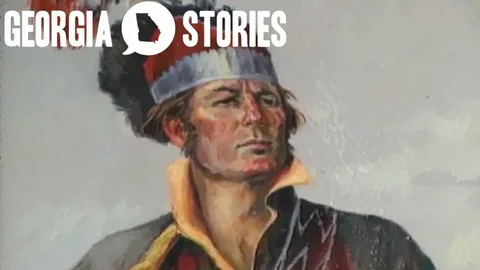
Begin by identifying William McIntosh as a Creek Nation leader active in the late 18th and early 19th centuries. Recognize that he was born to a Scottish father and a Creek mother, placing him between two cultures from birth. Acknowledge that he became a leading chief among the Lower Creek towns, especially Coweta, and rose to power during a time of extreme political pressure on Native American nations.
Note that McIntosh adopted many European-American customs. Own the fact that he became wealthy, operated plantations, and participated in the American-style economy, including the use of enslaved labor. Understand that these choices already made him controversial within Creek society, where traditional values emphasized collective land ownership and communal decision-making.
Evaluate His Alliance With the United States
Examine McIntosh’s decision to ally with the United States military. During the Creek War of 1813–1814, support the historical record showing that McIntosh fought alongside U.S. forces against the Red Stick Creeks, who wanted to preserve traditional Creek life and resist American expansion.
Recognize why this alliance angered many Creeks. Understand that by helping the United States defeat fellow Creeks, McIntosh strengthened American influence in Creek territory. Accept that these actions made him appear, to many, as a collaborator rather than a defender of his people.
At the same time, acknowledge the argument that McIntosh believed cooperation was inevitable. Consider that he may have viewed resistance as futile and believed that aligning with U.S. power could secure better outcomes for at least part of the Creek Nation. Weigh this interpretation carefully rather than dismiss it outright.
Analyze the Treaty of Indian Springs
Focus closely on the Treaty of Indian Springs (1825), the central event behind the debate was william mcintosh bad. Understand that McIntosh signed this treaty with the United States, ceding millions of acres of Creek land in Georgia.
Acknowledge why this treaty caused outrage:
- Break Creek law by signing without national consent
- Transfer vast ancestral lands to the U.S. government
- Provide personal benefits to McIntosh, including land and money
Recognize that Creek law clearly stated that no individual chief had the authority to sell national land. Accept that McIntosh knowingly violated this law. Understand that this single act outweighed his previous leadership accomplishments in the eyes of many Creeks.
Conclude that the treaty was not merely unpopular—it was considered illegal and treasonous within Creek governance.
Consider Creek Law and His Execution
Study the consequences of McIntosh’s actions. Learn that the Creek National Council had previously passed a law stating that anyone who sold land without approval would face execution. Understand that this law was meant to protect Creek sovereignty.
Accept the historical outcome: Creek warriors carried out the sentence in 1825, killing McIntosh and burning his plantation. Recognize that this was not random violence, but an enforcement of tribal law.
Do not ignore the significance of this act. Understand that McIntosh’s death symbolized the internal fracture within the Creek Nation and the desperation leaders felt as American expansion accelerated.
Weigh the Arguments For and Against McIntosh
Compare both sides honestly.
Critics Say He Was Bad
Accept that critics argue McIntosh:
- Betrayed his nation
- Placed personal wealth above collective survival
- Accelerated Creek land loss
- Undermined tribal sovereignty
Understand that from this perspective, McIntosh’s choices directly harmed the future of the Creek people and justified his punishment under Creek law.
Supporters Say He Was Pragmatic
Consider the opposing argument:
- Recognize that U.S. expansion was relentless
- Accept that military resistance often ended in destruction
- Consider that McIntosh may have tried to secure survival through negotiation
Acknowledge that supporters see him as a tragic figure, not a villain—someone navigating impossible choices in a collapsing world.
Judge His Legacy Carefully
Do not simplify McIntosh’s legacy. Avoid viewing him as purely evil or purely heroic. Instead, assess the broader impact of his actions.
Recognize that:
- His decisions contributed to massive land loss
- His treaty weakened Creek unity
- His execution marked a turning point in Creek resistance
Understand that regardless of intent, the outcomes were devastating for the Creek Nation. Accept that history often judges leaders by results, not motivations.
When asking was william mcintosh bad, conclude that his actions were deeply harmful, even if they were shaped by fear, pressure, and political realism.
Reach a Balanced Conclusion
Answer the question directly. Decide that William McIntosh was not simply “bad,” but he was responsible for actions that violated Creek law and harmed his people. Accept that he operated under extreme pressure but still made choices that prioritized personal advantage and U.S. interests over national unity.
Understand that McIntosh represents a larger historical lesson. Study how colonial expansion forced Native leaders into impossible decisions. Learn how internal division weakened resistance. Use his story to grasp the broader tragedy of Native American displacement.